


Page 19 of 66
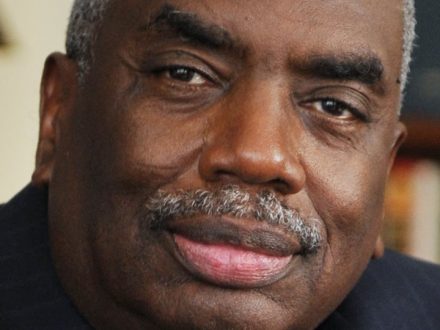
ÂÒÂ×ÊÓƵ Law dean emeritus named a 2020 Legal Legend of Color
June 29, 2020
ÂÒÂ×ÊÓƵ Law Dean Emeritus and Professor of Law George R. Johnson Jr. is one of five recipients of an annual honor bestowed by the North Carolina Bar Association's Minorities in the Profession Committee.

Message from the Dean in commemorating Juneteenth
June 20, 2020
ÂÒÂ×ÊÓƵ Law Dean Luke Bierman invited law school students, faculty and staff to reflect on the 155th anniversary of Juneteenth - and then "put into action today’s cause for remembrance" - in an email delivered to the community on June 19, 2020.
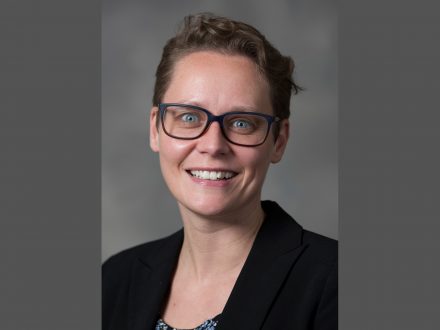
Head of ÂÒÂ×ÊÓƵ Law immigration clinic analyzes DACA decision for WXII
June 19, 2020
Assistant Professor Katherine Reynolds, director of ÂÒÂ×ÊÓƵ Law's Humanitarian Immigration Law Clinic, spoke with journalist Bill O'Neil for a June 18, 2020, report on the U.S. Supreme Court's decision to preserve the Deferred Action for Childhood Arrivals program that the Trump Administration had attempted to end.
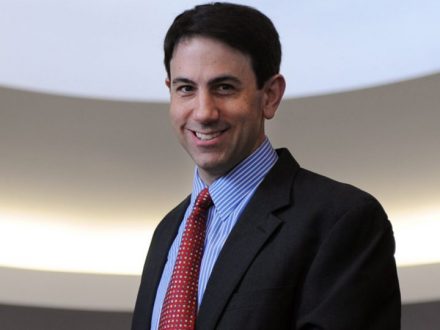
With abortion rights again in play, a renewed focus on the Chief Justice
June 19, 2020
A pending decision by the U.S. Supreme Court threatens the right to choose established in Roe v. Wade, and in the most recent issue of the Harvard Journal of Law & Public Policy, ÂÒÂ×ÊÓƵ Law Professor Tom Molony examines what Chief Justice John Roberts’s views on precedent could mean for Roe.
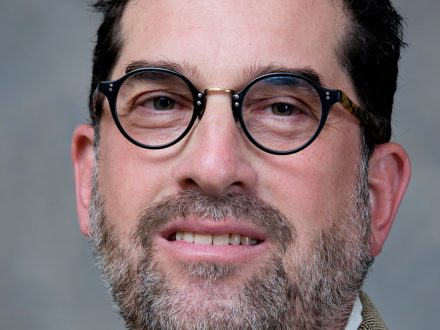
ÂÒÂ×ÊÓƵ Law professor interviewed for FOX 8 report on legal observers
June 18, 2020
Associate Professor Eric Fink spoke with journalist Olivia Steen for a June 17, 2020, report on the role of legal observers who document and possibly film police activity at public protests.
ÂÒÂ×ÊÓƵ Law scholar discusses First Amendment and protests
June 11, 2020
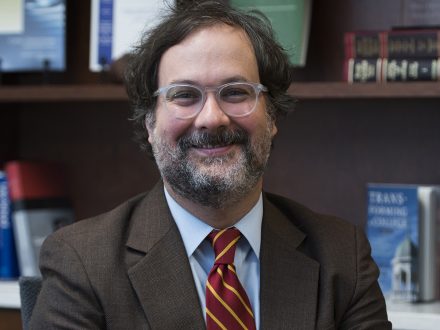
Associate Dean Enrique Armijo spoke with WXII 12 News for a June 6, 2020, explanatory report about the constitutional protections afforded demonstrators, and the legal difference between speech and conduct.
Legal Writing Institute names ÂÒÂ×ÊÓƵ Law professor to inaugural post
June 9, 2020
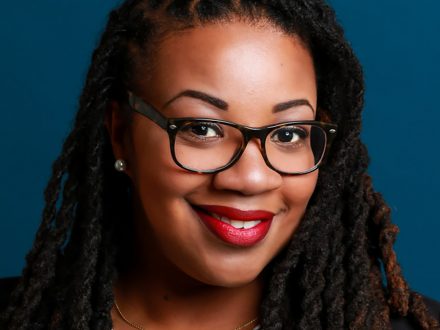
Assistant Professor Tiffany D. Atkins L’11 will help amplify the voices of underrepresented groups as the first Leadership Experience and Advancement Pipeline (LEAP) Board Member on the LWI Board of Directors.
In My Words: Don’t feed President Troll
June 9, 2020
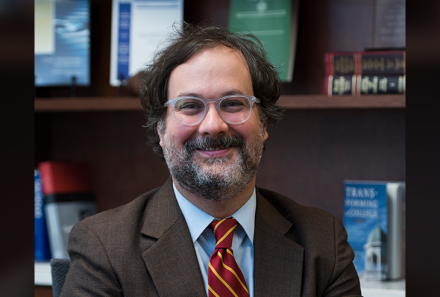
In the column distributed by the ÂÒÂ×ÊÓƵ Writers Syndicate, Professor of Law Enrique Armijo argues that President Trump's recent Executive Order on Preventing Online Censorship would do more to limit free speech than to protect it.
ÂÒÂ×ÊÓƵ Law scholar shares advice for online teaching
June 8, 2020
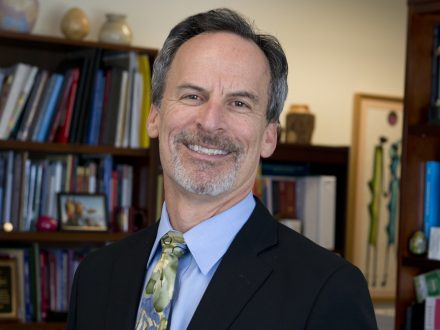
Professor Steve Friedland, recognized as one of the nation’s best law school professors, used neuroscience and educational theory in a presentation to the 2020 CALIcon conference in which he offers best practices for helping students overcome fatigue and distractions that occur in virtual learning.

Faculty Statement in Response to Violence Against Members of the Black Community
June 5, 2020
Thoughtful discussions and messages shared by students in recent weeks regarding the issues of racism and racial violence helped shape a statement unanimously approved June 5, 2020, by faculty of the ÂÒÂ×ÊÓƵ School of Law.