


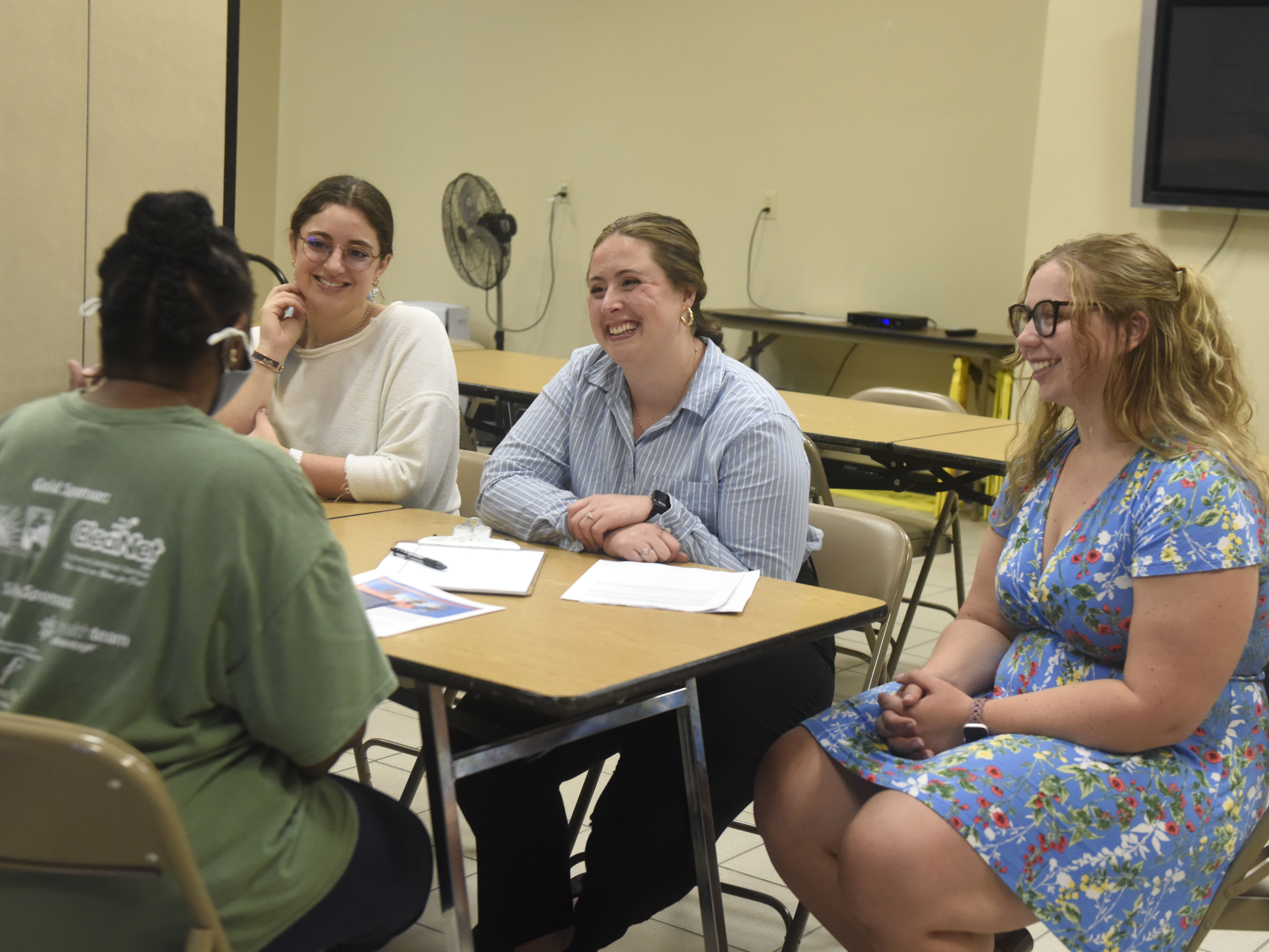
The Pro Bono Board teamed with Legal Aid of North Carolina to help low-income seniors who lack legal documents that give family or friends permission to make certain medical decisions on their behalf.
By some estimates, only about a third of adults have estate plans with signed legal documents such as wills, living wills, and a healthcare power of attorney.
One reason? The expense. For many older Americans with modest means on fixed incomes, a few hundred dollars to hire an attorney is too big a cost to bear.
Enter ÂÒÂ×ÊÓƵ Law’s Pro Bono Board.
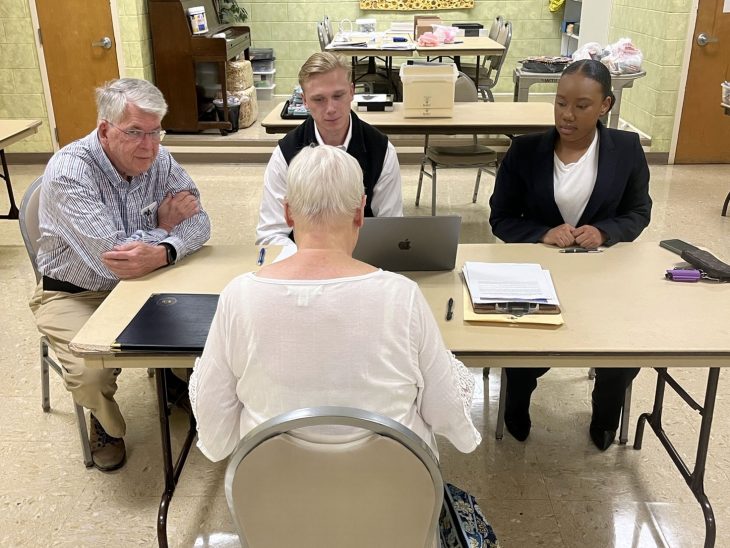
On three occasions this fall, the Pro Bono Board student volunteers have partnered with to run programs at senior centers in Greensboro and High Point where eligible residents could establish a healthcare power of attorney.
ÂÒÂ×ÊÓƵ Law student volunteers, under the supervision of practicing attorneys, prepared healthcare power of attorney documents for several lower-income seniors. Their efforts put at ease clients who now know their medical wishes will be carried out should they become mentally incapacitated or otherwise unable to communicate with doctors.
“Legal Aid of North Carolina’s mission of serving the less fortunate in our community is one the Pro Bono Board is more than willing to support,â€� said , who co-chairs the ÂÒÂ×ÊÓƵ Law Pro Bono Board’s Legal Aid committee with . “Programs like these are wonderful opportunities for us to work with practicing attorneys and bring peace of mind to our neighbors who may lack the resources to hire a lawyer.â€�
Legal Aid of North Carolina’s mission of serving the less fortunate in our community is one the Pro Bono Board is more than willing to support.
– Cuyler Field L’24
Legal Aid lawyers encourage clients to share copies of their healthcare power of attorney records with those who may one day make end-of-life decisions. Nor is it a bad idea to share copies with a local hospital, should clients know they plan to use a particular medical provider.
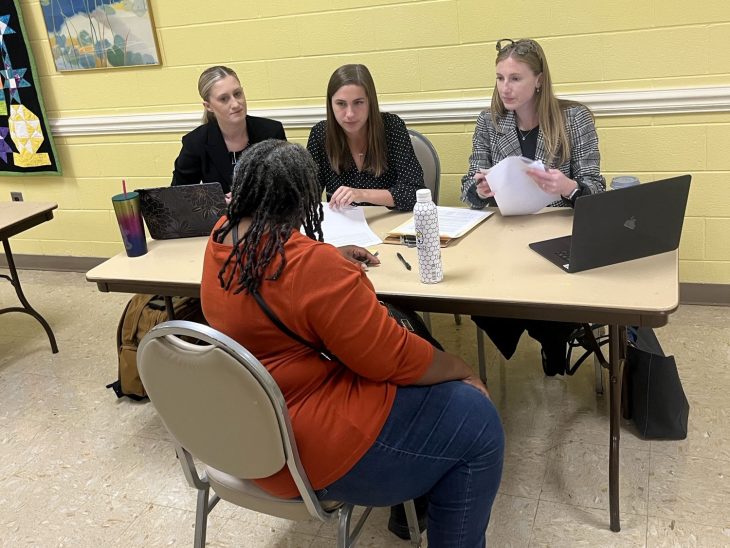
“These programs give students an opportunity to get out into the community and see the need for folks and how they can be involved in pro bono work,� said “Hopefully, it inspires them to want to give back and do pro bono service as practicing attorneys.
“It also gives students more practical experience on providing services, and estate planning is a big field. This is beneficial for both of us.�
About ÂÒÂ×ÊÓƵ School of Law
ÂÒÂ×ÊÓƵ Law is the preeminent school for engaged and experiential learning in law. With a focus on learning by doing, it integrates traditional classroom instruction with a required, full-time residency-in-practice field placement for all full-time students during the winter or spring of their second year. The law school’s distinctive curriculum offers a logically sequenced program of professional preparation and is accomplished in 2.5 years, which provides exceptional value by lowering tuition and permitting graduates early entry into their careers.
ÂÒÂ×ÊÓƵ Law has graduated more than 1,600 alumni since opening its doors in 2006. Its annual enrollment now tops 440 full-time students and the law school is regularly featured in PreLaw Magazine’s “Best Schools for Practical Trainingâ€� rankings, reaching No. 4 in the nation in 2024. The ÂÒÂ×ÊÓƵ Law Flex Program, a part-time evening course of legal study for working professionals in Charlotte, N.C., launched in Fall 2024 with a charter cohort of 36 students.